
Should You Buy a Panther Chameleon Egg?
The selling points checked, the risks you take on, and what to do if you already have one.
For a first chameleon, no. An egg is cheaper only at the start: raising the hatchling to a well-started juvenile usually costs more. You also take on every risk a breeder normally carries: it may not hatch, the baby may be weak, and there is a 50/50 chance it is female.
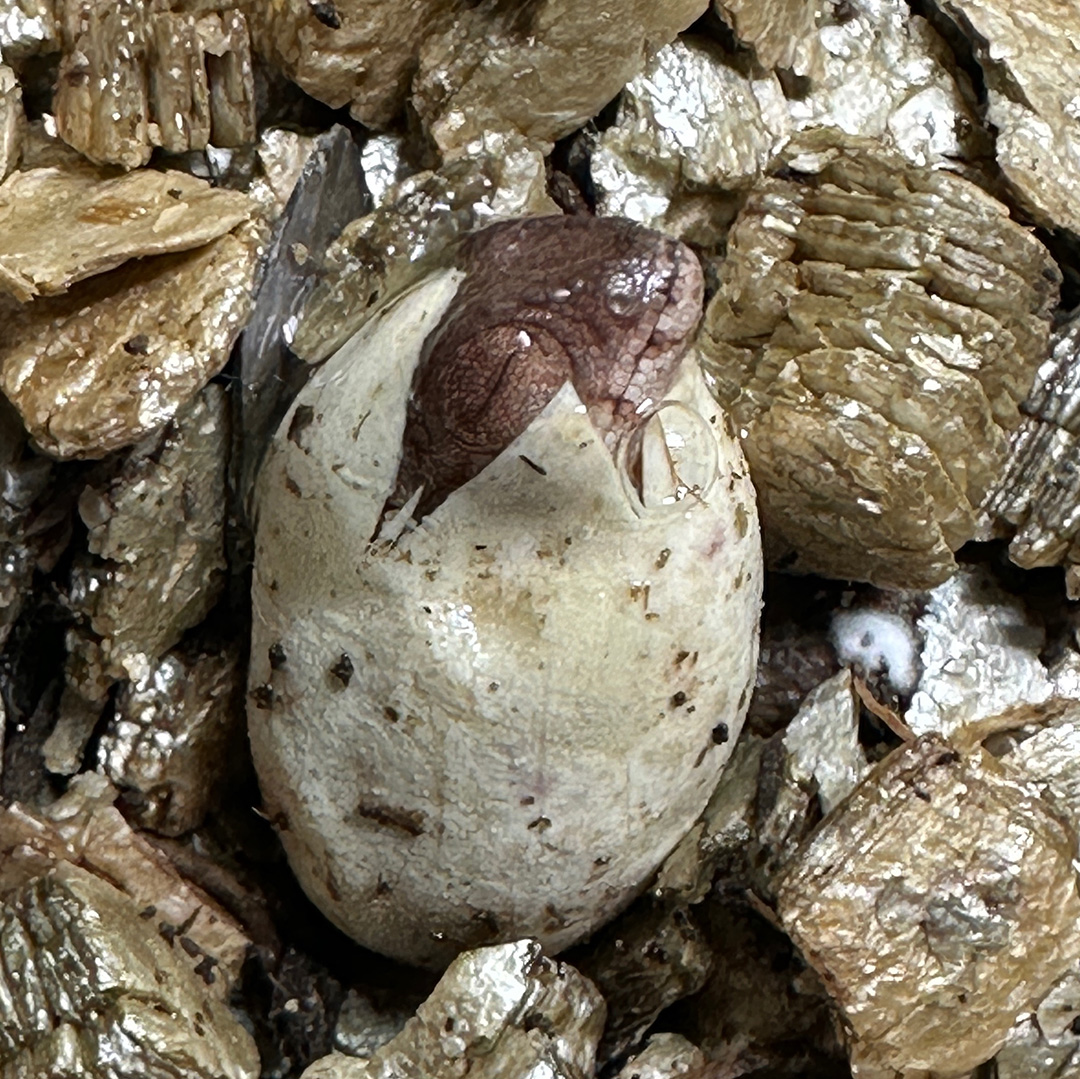
Egg sales remove the protections built for beginners
Breeders invest heavily in raising hatchlings until they are well started, because that is what gives a new keeper the best chance. Selling an egg skips all of that and puts the risk on the buyer, often someone new to chameleons. That is why the community pushes back. It isn’t breeders protecting profits: a breeder who switched to selling eggs would earn more overnight.
The selling points, checked
Egg sales are usually marketed with three benefits. Here is how each one holds up.
The risks you take on
These are the risks a breeder normally carries for you. Even experienced breeders run into them.
It may not hatch
Shipping and unknown temperature swings add risk. An egg can go 14 months and then mold over.
A weak hatchling
Some hatchlings cut the egg but never emerge, or come out and fail within days or weeks, for reasons you can’t see.
Male or female?
It’s 50/50, and you can’t choose. Don’t buy an egg hoping for a male. That isn’t fair to the female who may hatch.
No second chances
A juvenile shows warning signs you can act on. By the time a hatchling looks off, it is often too late.
If you still choose an egg
It can be done. Go in prepared.
- One full setup for every egg. Buying three eggs to get a male means three cages: a hatchling grow-out and an adult cage for each.
- Separate cages for every hatchling. Never raise chameleons together, even as babies.
- Experience first. Raise a juvenile before you take on a hatchling.
- Be happy with a female. Females are some of the most underrated pets. Bill keeps more non-breeding females than males.
You’re in the right place
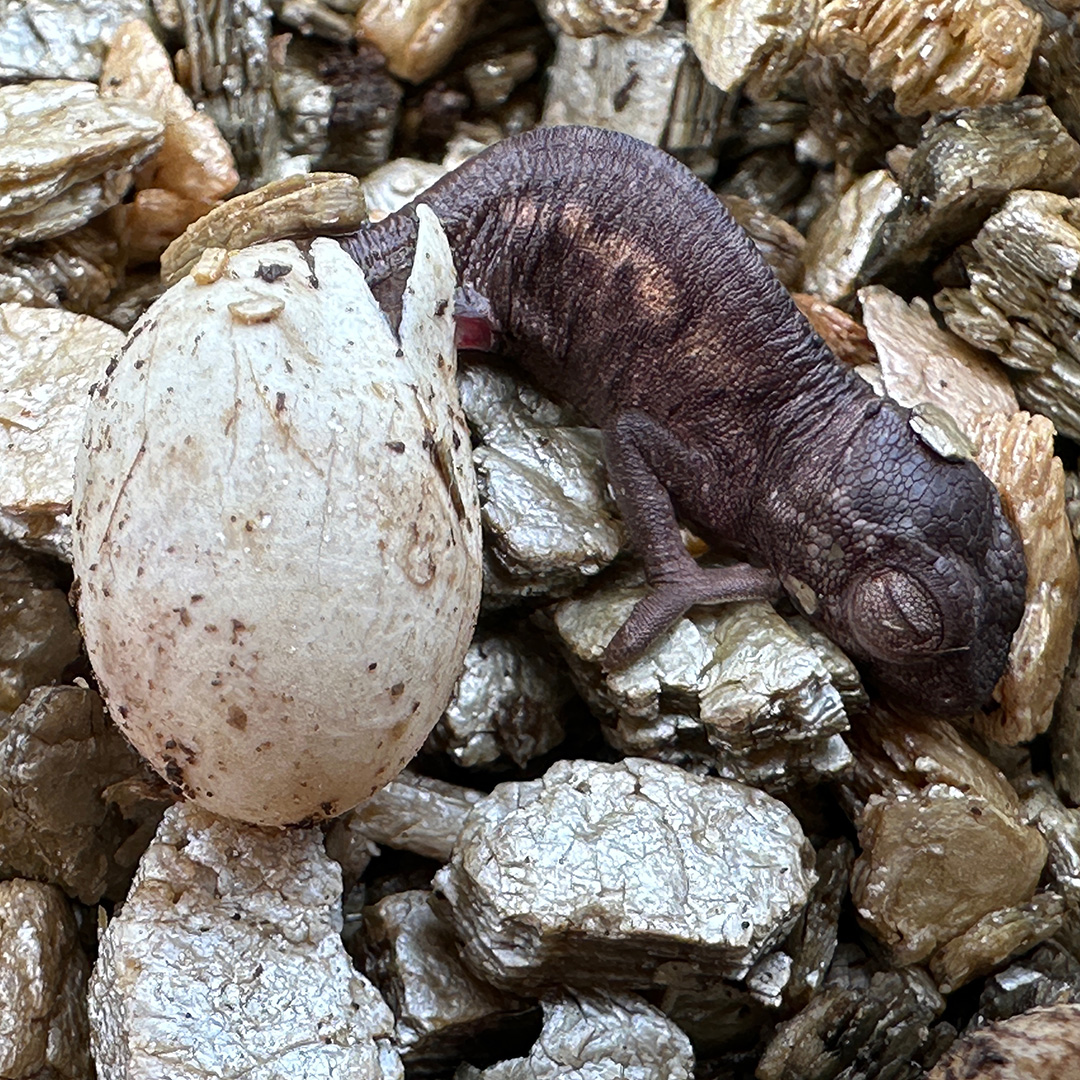
Bill loves hatching and raising chameleons, and would rather see an egg shipped than a live chameleon. His concern is eggs being sold as a cheaper shortcut, not the people who bought one. If you already have an egg, the course covers hatchling care so you can succeed.
“My concern is with the motivation for getting an egg and if that bodes well for the chameleon.”
Keep learning every day, free.
Every Panther Chameleon Podcast episode, a new chameleon show every day, and step-by-step guides for cages, lighting and care. Free on iPhone and Android, with no account needed.
Common questions
Is buying a panther chameleon egg cheaper?
Only up front. Once you pay to feed a hatchling to a well-started size, it usually costs more than buying a juvenile from a breeder.
Will a panther chameleon egg be male or female?
It is a 50/50 chance, and there is no way to choose. Only buy an egg if you would be happy with either.
When is a baby panther chameleon ready for a new home?
The community uses about three months, but weight is a better guide. At least 12 grams is a reasonable minimum.
Can I raise hatchlings together?
No. Chameleons should never be kept together, including hatchlings. Each needs its own cage.
Further reading
- Where to buy a panther chameleonEpisode 2: why a well-started juvenile is the best start
- What do I need for a hatchling panther chameleon?Episode 16 of this course
- What do panther chameleon colors mean?Episode 6: why young males and females look alike