Where to Buy a Panther Chameleon, and What Age to Get
Breeders, expos, eggs, classifieds and wild-caught adults, compared.
Buy a well-started juvenile, about three months old, from an established breeder. Wild-caught adults, eggs, classifieds and sellers without lineage records can look cheaper, but they shift the risk onto you. The breeder’s care, records and support after the sale are what you are paying for.
The life of a panther, and when to buy
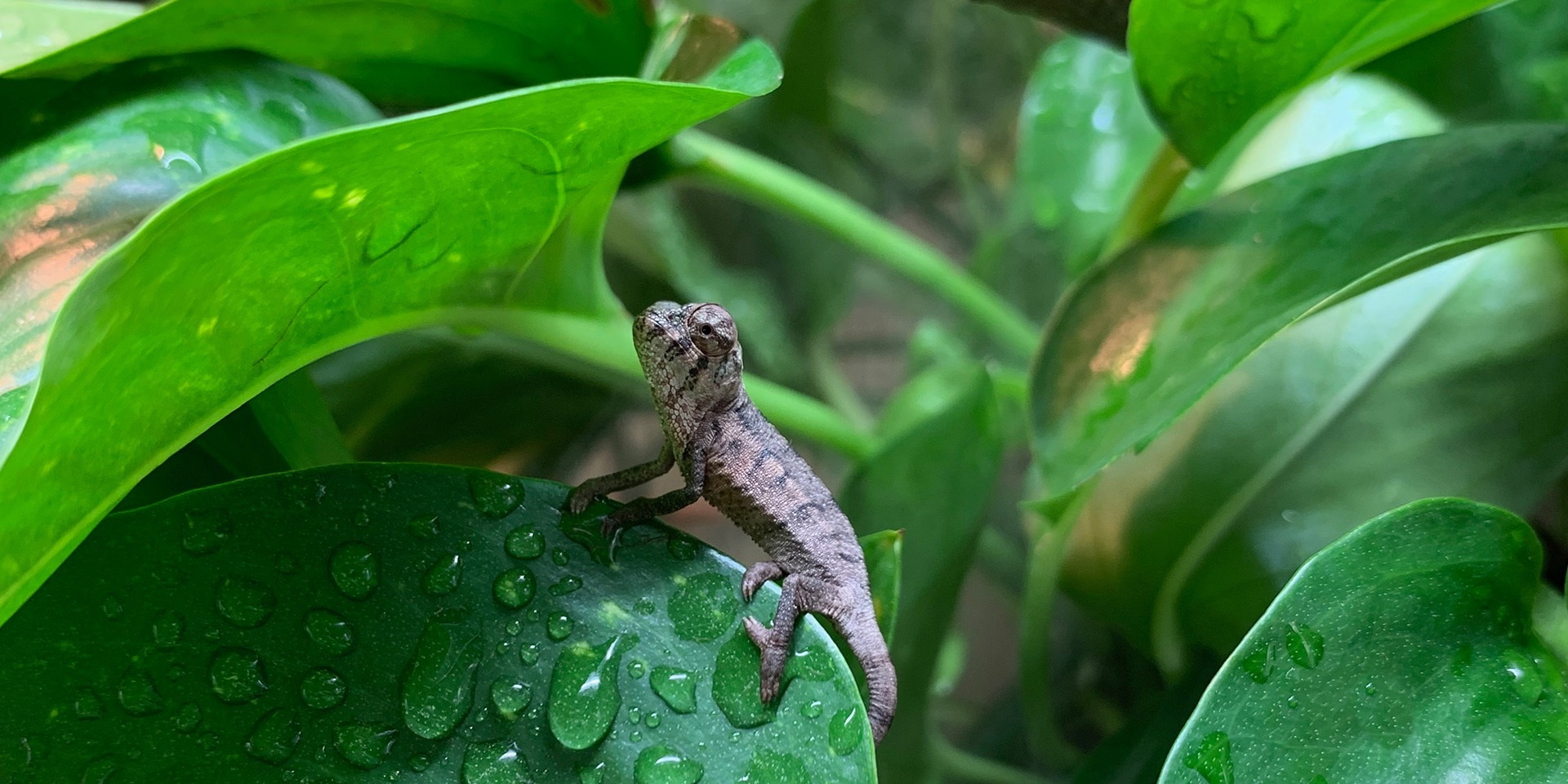
Panthers grow fast in their first year. The community has settled on about three months as the age when a baby is strong enough for a new home.
Hatchling
Fully independent from the moment it leaves the egg. In the wild it heads off to find food and avoid being eaten.
Well started
The time to buy. Strong and stable enough to go to a new home.
Adult colors
Unmistakable adult coloring has come in.
Young adult
Sexually mature. Growth slows after the first year but continues all its life.
Where you might find one
You will come across all of these. Here is how they compare for a first-time keeper.
An established breeder
Known lineage, a well-cared-for mother, the strongest babies, and help after the sale. Their reputation is on the line with every panther they send out.
A newer breeder or expo dealer
Can be cheaper, but the less experience a seller has, the more you need to check the quality yourself, and they may not care after you walk away.
Classifieds
Could be a well-kept panther, or one with bone disease from the wrong UVB or full of parasites. It takes a discerning eye.
A store without lineage records
Often cheaper, but without lineage records you can’t know what you are getting. There is a reason it costs less.
An egg
No guarantee it hatches, no way to know the sex or health, and hatchlings are harder to raise. Feeding it to three months costs more than buying a juvenile.
A wild-caught adult
Big and bright, but almost certain to carry parasites, with a hard acclimation and vet bills that may not reverse a decline.
What a good breeder gives you
Four things that come with a well-started juvenile from an established breeder.
- Solid lineage. Females of every locale look alike, so it’s easy to mix locales by accident. A dedicated breeder tracks every parent, so you get the colors you expect.
- A well-cared-for mother. A baby’s health depends on how its mother was kept while she grew up and carried the eggs.
- The strongest babies. Not every egg or hatchling thrives. An experienced breeder knows how to pick out the best of the clutch.
- Support after the sale. Expect a good breeder to ask about your setup before selling to you. That is a good first step toward your success.
Discouraged, but you won’t be left alone
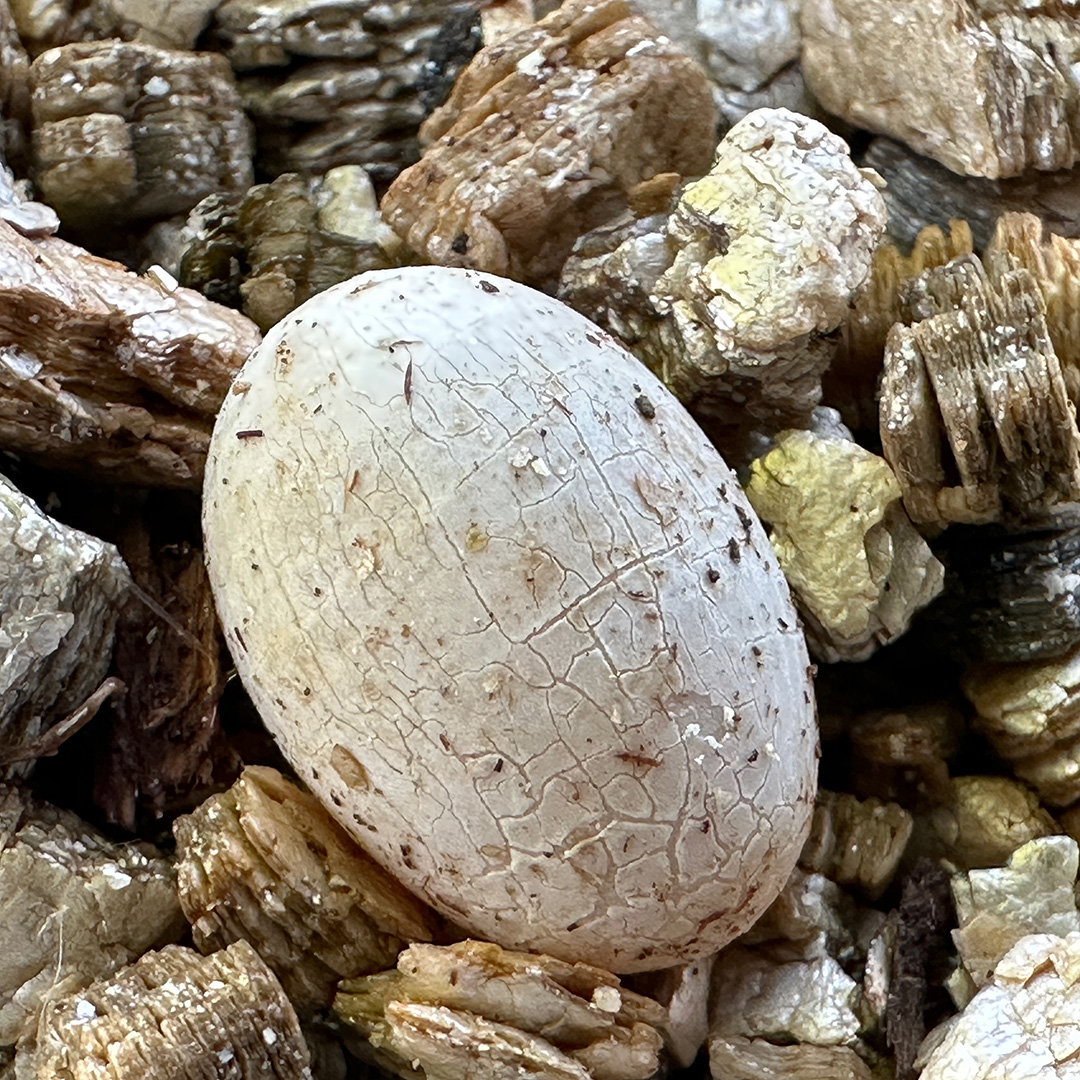
Hatching an egg sounds fun, and the price looks lower. But it removes every protection a breeder provides, and a hatchling is less able to absorb a beginner’s missteps. Egg sales are controversial in the community.
If you have already bought one, you have come to the right place. The course covers hatchling care in full.
“I do not like refusing to help just to make a point. There is a chameleon’s life at stake.”
Why price shopping backfires
Doing it right costs breeders a lot, so a better chameleon costs more. Where you buy sets up the whole experience.
Buying from a breeder
- Knows the lineage and the parents
- Sends out the strongest babies
- Checks you are ready, then supports you
- Sets you up for years of a great experience
Buying on price
- Background and care unknown
- Problems may not show at the point of sale
- No one to call when something goes wrong
- Often ends in months of frustration
Keep learning every day, free.
Every Panther Chameleon Podcast episode, a new chameleon show every day, and step-by-step guides for cages, lighting and care. Free on iPhone and Android, with no account needed.
Common questions
What age should I buy a panther chameleon?
About three months old. That is the age the community considers a panther well started: strong and stable enough to go to a new home.
Is it cheaper to buy a panther chameleon egg?
Only up front. Once you feed a hatchling up to three months, it usually costs more than buying a well-started juvenile, and there is no guarantee the egg hatches or the baby thrives.
Should I buy a wild-caught panther chameleon?
Not as a pet. Wild-caught panthers almost always carry parasites and need a hard acclimation with vet care. Leave them to breeders who are adding to their bloodlines.
Why does a breeder ask me questions before selling?
Because they want you to succeed. Being asked about your setup is a sign of a breeder who will support you after the sale.
Further reading
- Choosing a panther chameleon breederEpisode 3: how to judge a breeder
- Should I get a wild-caught panther chameleon?Episode 7 of this course
- Should I buy a panther chameleon egg?Episode 8 of this course
- Panther chameleon care summaryThe full Chameleon Academy care guide